Packaging waste from grocery shopping represents one of the more visible and quantifiable forms of household waste. A typical Czech household generates several kilograms of plastic and mixed packaging monthly through routine food purchases. Structural alternatives — stores that sell loose goods, refill points for cleaning products, and direct-from-producer markets — have expanded in Prague over the past decade, though they remain a minority channel compared to mainstream supermarket retail.
This article covers where these alternatives exist in Prague, what they realistically offer, and which everyday habits reduce packaging waste without requiring significant changes to a shopping routine.
Bulk and Package-Free Stores in Prague
A small number of retailers in Prague operate on a package-free or loose-goods model. These range from dedicated zero-waste shops to cooperative food buyers and specialty health food retailers that offer a bulk section alongside conventional packaged goods.
Nová Moštárna and Similar Cooperative Buyers
Prague has several food cooperatives that operate through pre-ordered group purchases from regional producers. Members collect orders at a pickup point, typically bringing their own containers. This model reduces intermediate packaging significantly — goods often arrive in large catering containers from which members portion directly. The Bio-info portal maintains a directory of Czech organic and cooperative food networks.
Zero Waste Refill Stations for Cleaning Products
Several Czech eco-shops and some pharmacy chains now stock refill systems for liquid soap, washing-up liquid, laundry detergent, and fabric softener. Brands including Tierra Verde and Yurtopic are produced in the Czech Republic and available both through dedicated eco-retailers and at farmer markets. Bringing a clean reusable bottle and refilling rather than buying a new plastic container is among the more effective packaging reductions a household can make, given how frequently these products are purchased.
Farmer and Organic Markets
Prague's weekend farmer markets — most notably those at Náměstí Míru, Jiřák (náměstí Jiřího z Poděbrad), and Holešovice — sell vegetables, bread, dairy, eggs, and meat directly from producers. The packaging situation at these markets varies by stall: some producers bring loose goods, others use pre-packaged portions. Bringing a cloth bag, a few containers for cheese or loose items, and a thermos if coffee is on the plan covers most needs.

Reusable Bags, Containers, and Cutlery
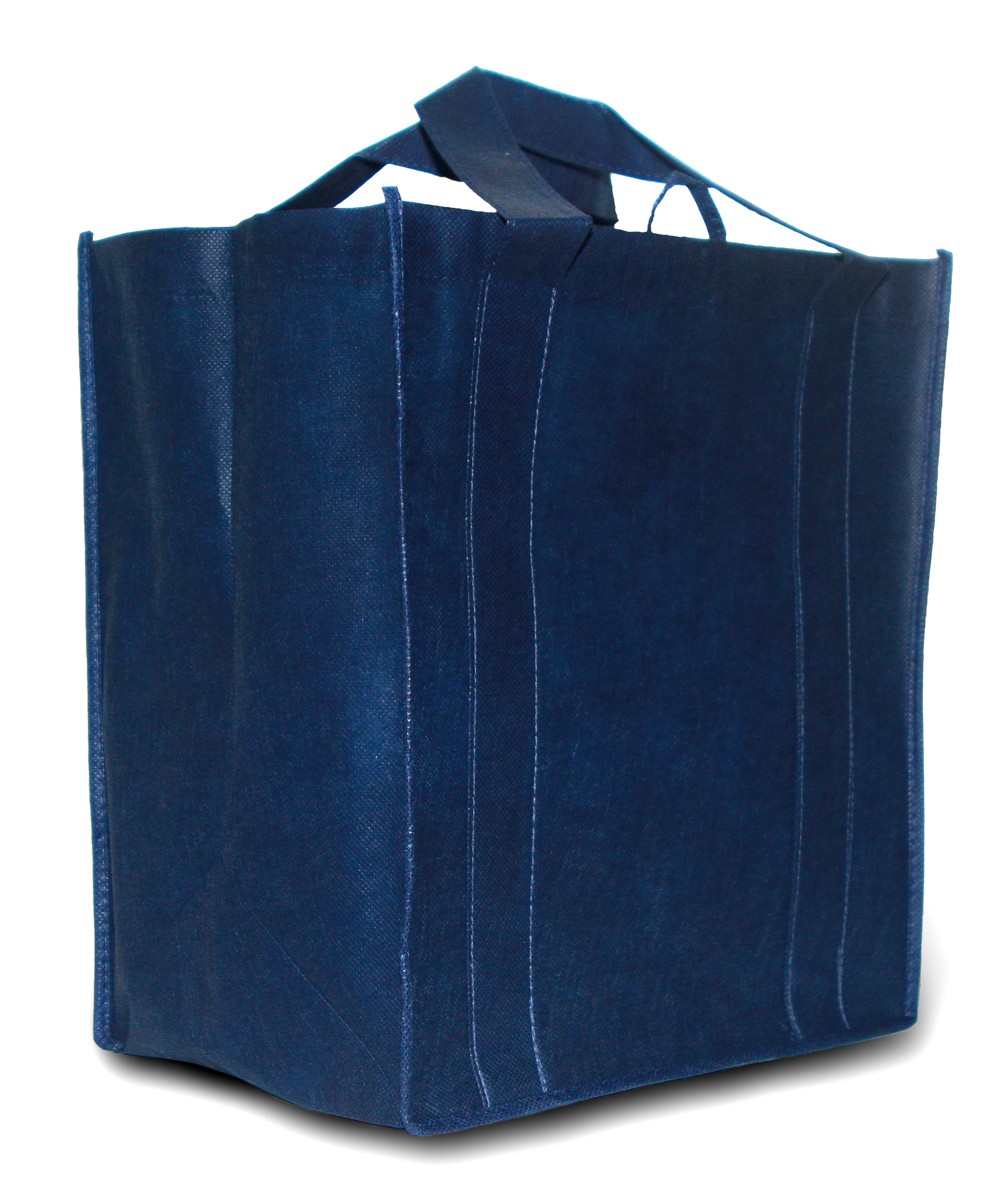
Czech legislation introduced a charge on single-use plastic carrier bags in 2021 as part of EU Directive 2019/904 (the Single-Use Plastics Directive) implementation. As a result, most supermarkets now charge for plastic bags at checkout, which has visibly shifted behaviour — fabric bags and reusable net bags have become standard in most households.
Beyond carrier bags, a few other items cover the majority of zero-waste shopping situations:
- Mesh produce bags — for loose vegetables, fruit, and bakery items at counters
- A stainless steel or glass container — for deli counter purchases, cheese, olives
- A reusable coffee cup — most Prague cafés accept them and some offer a small discount
- A cloth bag sized for a baguette or bread loaf — avoids the pre-packaged bread option in many bakeries
Reading Labels: What Packaging Is Actually Recyclable in Prague
Prague's municipal waste system accepts the following in the yellow recycling bin: PET bottles (code 1), HDPE containers (code 2), and most rigid plastic packaging. Soft plastic films, multi-layer packaging (such as juice cartons not labelled Tetrapak), and black plastic trays are generally not recyclable through the municipal yellow bin system and end up in mixed waste.
Glass goes into the green or white bin depending on colour. Cardboard and paper go into the blue bin. A useful reference is the JakTřídit.cz database maintained by Czech recycling associations — it allows searching by material or product type to confirm where a specific item belongs.
What Mainstream Supermarkets Now Offer
Albert, Kaufland, and Lidl — the three largest food retailers by store count in the Czech Republic — have each introduced some packaging-reduction measures in recent years. These include loose fruit and vegetable sections without mandatory plastic bags, paper bags for bread, and own-brand product lines in reduced-packaging formats. These changes are gradual and uneven across store locations, but they indicate that mainstream retail options are shifting incrementally.
The practical takeaway: zero-waste shopping in Prague does not require sourcing everything from specialist stores. Combining a weekly visit to a farmer market with standard supermarket shopping while bringing your own containers covers the bulk of packaging reduction without a complete change in purchasing patterns.
Bicycles and Cargo Bikes for Shopping Trips
Prague's cycling infrastructure has expanded since 2019, and the Wenceslas Square area and inner districts have seen dedicated lanes added on several major routes. Using a bicycle or cargo bike for market and grocery runs — common in some Prague neighbourhoods — makes carrying reusable containers and bulk quantities more practical than public transit, where load management is more limiting.

Sources: JakTřídit.cz; EU Single-Use Plastics Directive 2019/904; Czech Statistical Office.

